How a 130-year-old movement for unity became a 40,000-var, 100% free celebration for every devotee right here in Surat.
In 1893, under British colonial rule, public gatherings were tightly restricted but religious assembly was not. Lokmanya Bal Gangadhar Tilak seized the moment and started the Sarvajanik (public) Ganeshotsav, turning what had become a private, home-bound worship into a great public festival that could unite Indians across caste and class in the shared cause of Swaraj self-rule.
What began as a handful of community mandals in Pune grew into a nationwide symbol of unity, culture and quiet resistance a tradition carried forward today by some of India’s most iconic public Ganeshotsav celebrations.
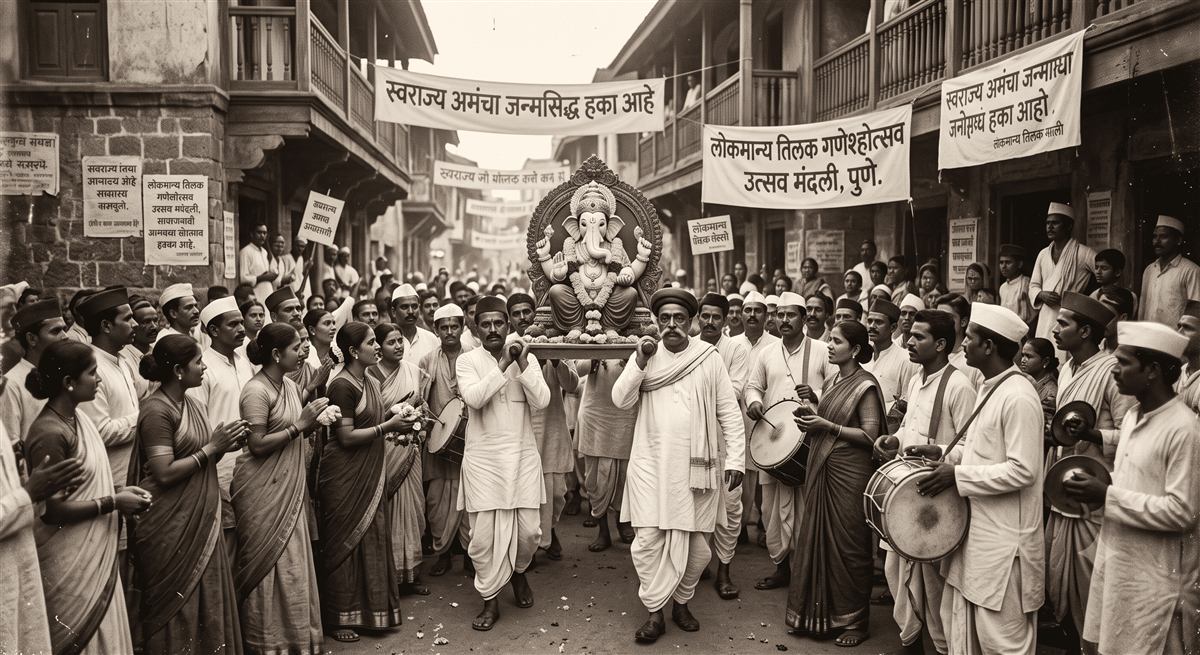
133 years later, that same founding idea returns unity through public celebration to Surat, hosting Gujarat’s first Ganeshotsav at this scale. Free for every devotee. Built without harming the earth. Open to every community.
A Ganeshotsav where free access, eco-consciousness and genuine community outreach aren’t afterthoughts they’re the whole point. Every rupee’s use is documented and shared publicly, shaped by the volunteers and mandals who run it.
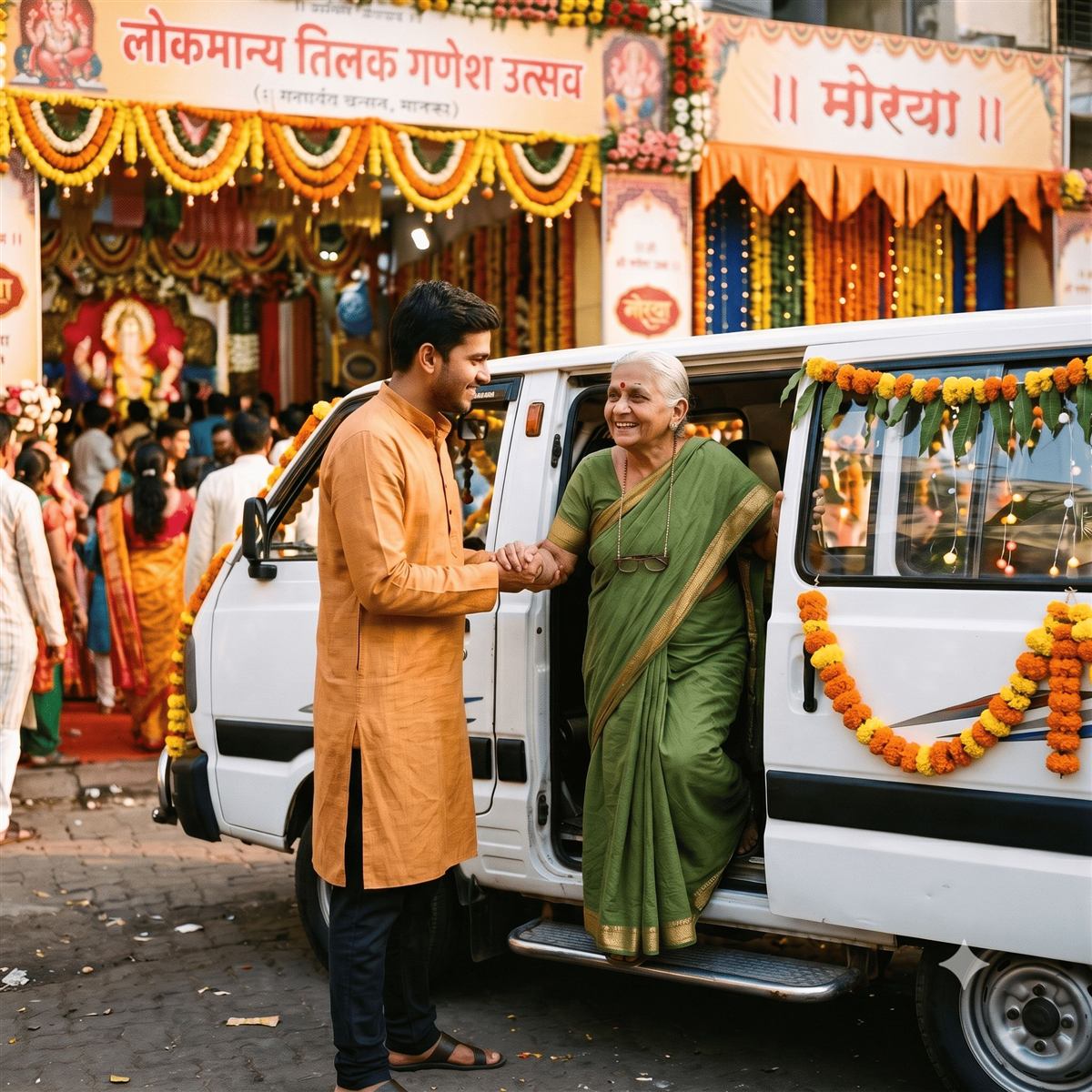
Every contribution funds free Bhojan Prasad, seva for senior citizens and differently-abled devotees, blood donation camps and a stage for emerging artists.
Become a SponsorThe Utsav is organised entirely by a registered charitable organisation committed to youth-led community initiatives across Gujarat. All funds raised are tracked and reported for full transparency.
“We didn’t want to build another grand pandal we wanted to build one that no one is turned away from, and one that doesn’t cost the earth anything to celebrate. That’s the whole idea behind going 100% free and 100% eco-friendly at this scale.”
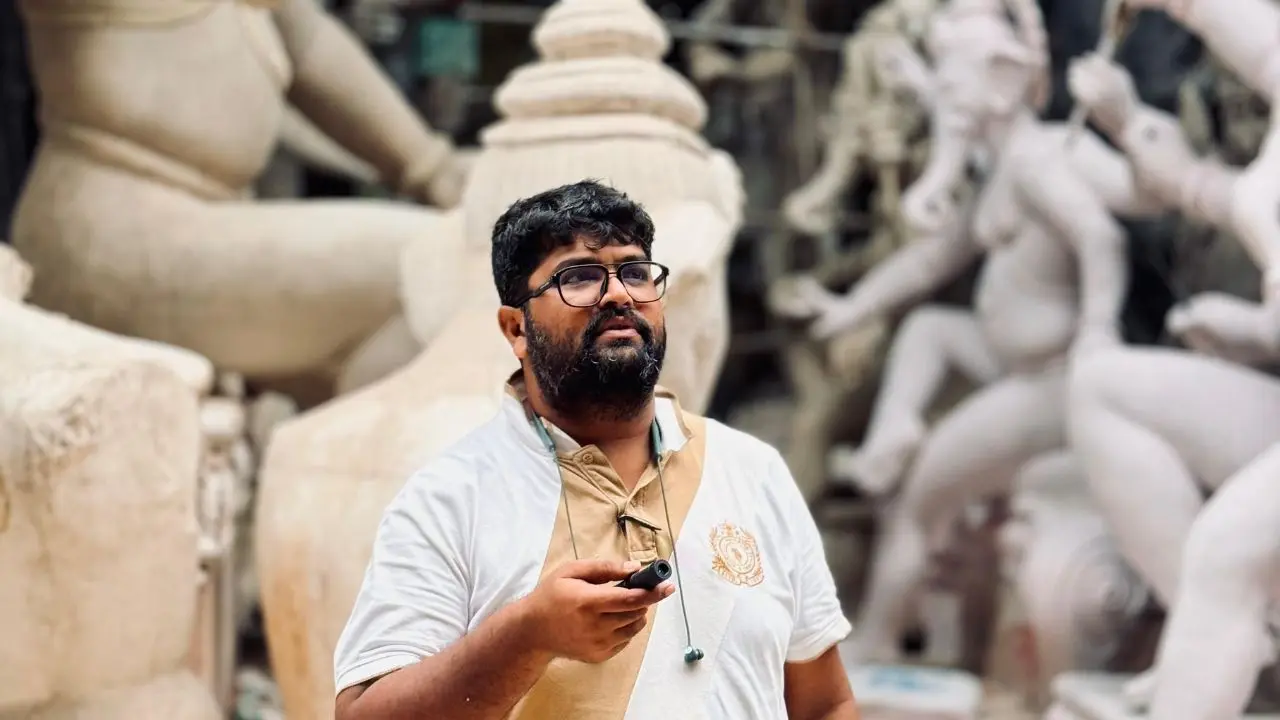
Image source: Mid-Day
This year’s 22 ft Mangal Murti is being crafted by Shri Siddhesh Dighole, one of Mumbai’s most celebrated contemporary sculptors — renowned for monumental, anatomically precise Ganesha idols with deeply expressive, lifelike eyes.
He trained for years under the legendary sculptor Vijay Khatu before founding his own workshop in 2020, and is the creative force behind Mumbai’s iconic Chinchpokli Cha Chintamani mandal. His workshop’s idols now travel to cities across Gujarat, Andhra Pradesh and Telangana — this year, to Surat.
“My mantra for success is simple: be humble and never doubt your team. I treat my workers like my friends.”
— Shri Siddhesh Dighole
No plaster of Paris the Mangal Murti is sculpted entirely from natural, biodegradable clay (Shadu mati).
Water-soluble, chemical-free colours safe for water bodies and aquatic life during immersion.
A dedicated artificial immersion tank on-ground avoids polluting natural water bodies.
Bhojan Prasad and stalls use biodegradable serveware, with dedicated waste segregation across the ground.